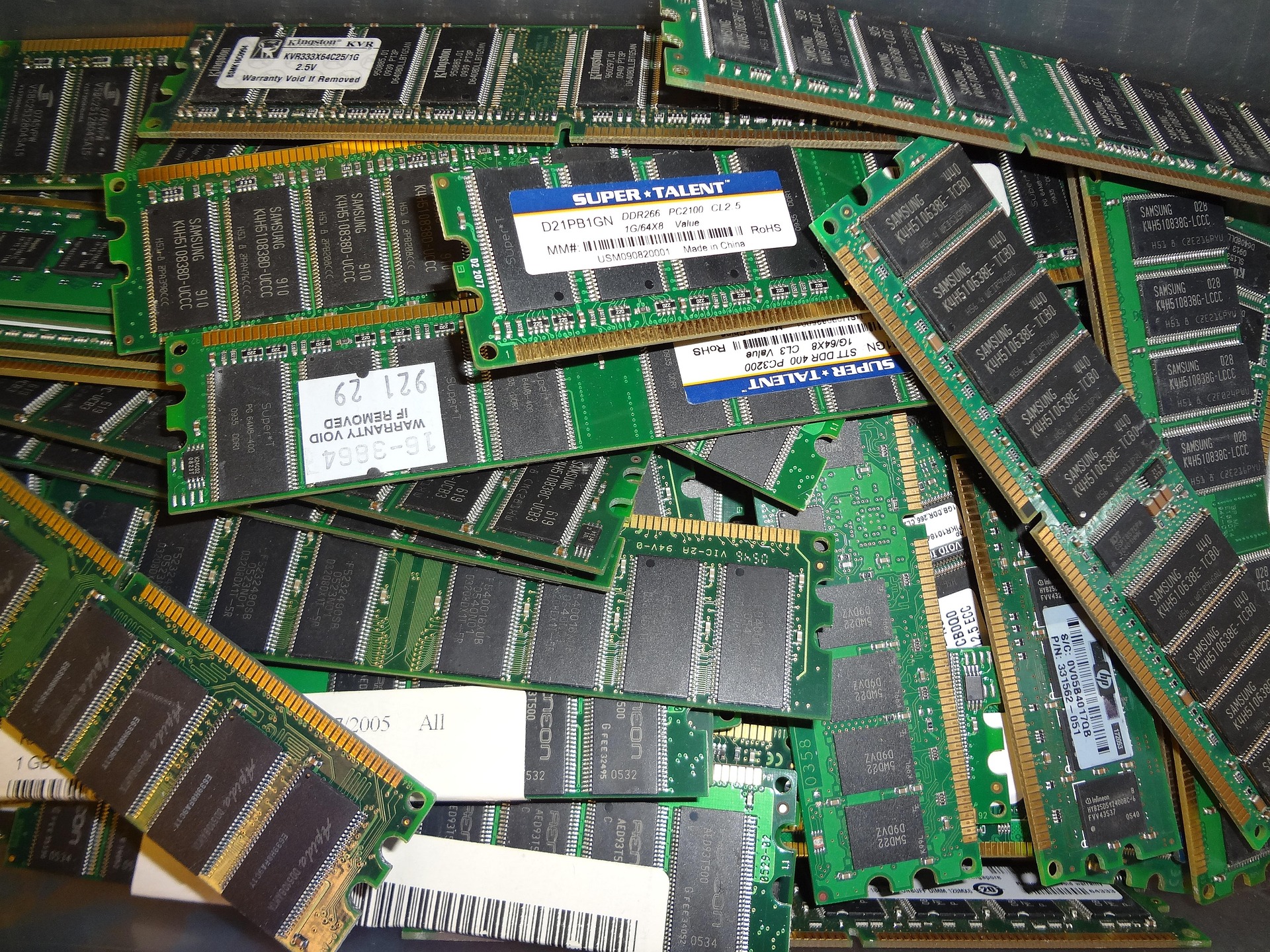
The ongoing global RAM shortage has reached a critical juncture, significantly impacting various industries reliant on advanced computing technologies. As demand continues to surge, stakeholders must explore strategic solutions to mitigate the impending disruptions in supply chains.
The fGlobal RAM Shortage Nears Breaking Point is affecting industries globally.
Phison, a major manufacturer of controller chips used in SSDs and other flash memory products, has become one of the companies closely watching the escalating memory crisis. Its CEO, Pua Khein-Seng, recently spoke about the seriousness of the situation during a televised interview with Taiwanese broadcaster Next TV, hosted by Ningguan Chen.
As the fGlobal RAM Shortage Nears Breaking Point, companies are on high alert.
Although the interview was conducted in Chinese, summaries circulating online suggest that the memory supply crunch could have severe consequences for tech manufacturers worldwide. It is important to clarify that during the discussion, the interviewer raised the possibility that some companies might discontinue products or even go out of business. Khein-Seng agreed, noting that such outcomes are likely if firms fail to secure adequate RAM supplies.
The implications of the fGlobal RAM Shortage Nears Breaking Point are significant.
A Supply Crisis Driven by AI Expansion
fGlobal RAM Shortage Nears Breaking Point
At the heart of the problem lies the explosive growth of artificial intelligence infrastructure. AI data centers are consuming massive amounts of memory as part of a rapid global expansion. This surge in demand has created an unprecedented imbalance between supply and demand.
With the fGlobal RAM Shortage Nears Breaking Point, AI adoption could stall.
Over the past several months, RAM prices have skyrocketed — in some cases tripling, quadrupling, or even increasing sixfold. The sharp rise has placed immense pressure on hardware manufacturers, from PC builders to smartphone makers and enterprise server providers.
Even major industry players are reportedly feeling the strain. Nvidia may consider skipping the release of a gaming GPU generation for the first time in decades due to component constraints. Apple, known for its strong supply chain management, is also believed to be facing challenges securing sufficient RAM and storage memory chips.
Limited Market Control Intensifies Pressure
The structure of the memory market adds further complexity to the crisis. Approximately 93 percent of the global DRAM supply is controlled by just three companies. While these firms are investing in expanding production capacity, they remain cautious.
The memory market dynamics indicate that the fGlobal RAM Shortage Nears Breaking Point.
Historically, memory manufacturers have experienced severe financial losses due to overproduction. As a result, these companies are prioritizing stable profitability over aggressive expansion. By avoiding excessive capacity growth, they reduce the risk of future oversupply — but this strategy also limits how quickly the industry can respond to current demand.
This careful production approach means supply constraints could persist for years rather than months.
Potential Impact on Tech Products
If RAM remains scarce and expensive, the effects could ripple across the entire technology ecosystem. Devices ranging from smartphones and laptops to gaming consoles, servers, and even smart appliances depend on memory components.
Understanding the fGlobal RAM Shortage Nears Breaking Point is crucial for tech companies.
Companies may respond in several ways:
-
Reducing the number of product variants
-
Delaying product launches
-
Increasing retail prices
The consumer tech landscape is shifting due to the fGlobal RAM Shortage Nears Breaking Point.
-
Cutting lower-margin product lines
Smaller manufacturers, in particular, could struggle to compete with larger corporations that have long-term supplier agreements and greater purchasing power. Without access to sufficient memory components, some firms may face severe financial strain.
A Shift Toward Repair and Longevity
Interestingly, Khein-Seng also predicted a change in consumer behavior. As hardware becomes more expensive due to memory costs, people may begin repairing devices instead of replacing them.
Repairing devices will become common as the fGlobal RAM Shortage Nears Breaking Point continues.
If true, this could mark a notable shift away from the “throwaway tech” culture that has dominated for years. Repair services, refurbished markets, and upgrade solutions may experience growth as consumers seek more cost-effective alternatives.
Long-Term Industry Implications
The current RAM crunch is not just a temporary pricing issue — it may represent a structural shift in how memory is produced and allocated. With AI workloads continuing to expand and cloud providers racing to build next-generation infrastructure, demand for high-performance memory shows little sign of slowing.
The long-term effects of the fGlobal RAM Shortage Nears Breaking Point are yet to unfold.
Unless production capacity increases significantly — or demand stabilizes — the shortage could continue reshaping the tech industry over the next several years.
For now, the message from memory sector leaders is clear: companies that fail to secure reliable RAM supplies risk losing market share — or disappearing altogether.
The industry must adapt to the reality of the fGlobal RAM Shortage Nears Breaking Point.